
Who We Are?
We are a research center made up of a multidisciplinary team of professionals committed to the sustainable development of Latin America and the Caribbean (LAC).
We were born with a regional perspective, embracing a comprehensive vision focused on growth through innovation and inclusion.
Our professional track record of more than 20 years has enabled us to gain a deep understanding of the social, economic, and political dynamics of the region.
We combine our expertise in research and economic consulting with strategic thinking and extensive knowledge of both the public and business ecosystems.
We create value in agendas related to digitalization, artificial intelligence, productive development, gender equality, and sustainability.
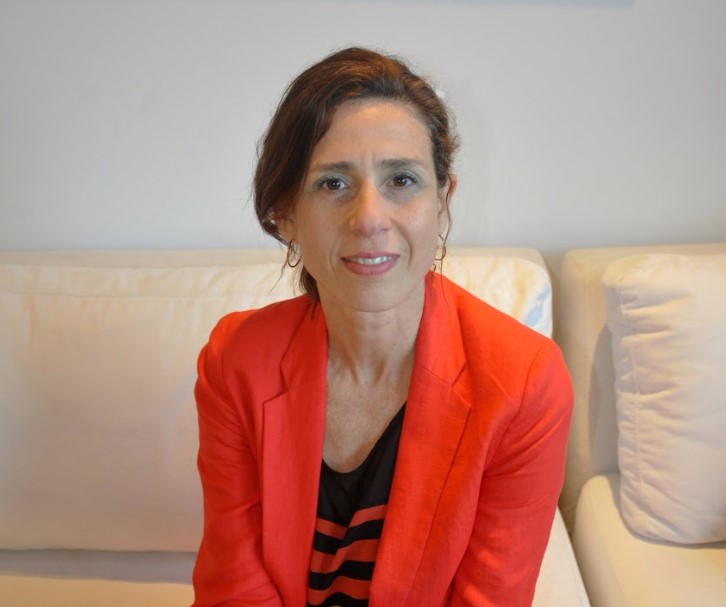
Paula Garnero (Argentina)
Director. Specialist in Emerging Technologies and Innovation
She holds a Bachelor’s Degree in Economics and a Master’s Degree in Economics of Science and Innovation from the Barcelona Graduate School of Economics. She has extensive experience in digital transformation policies and processes, with a particular focus on Industry 4.0 technologies. She supports organizations throughout their digital transformation journeys.
She has worked as an international consultant for the Inter-American Development Bank (IDB) and as a government advisor in Argentina on initiatives aimed at promoting innovation, technology transfer, and workforce skills development.
She is a member of international expert networks in the field of Artificial Intelligence, including the Global Partnership on Artificial Intelligence (GPAI) and AI Connect of the Council of the Americas.
Her research and publications focus on technological change and its impact on productive models and the world of work.
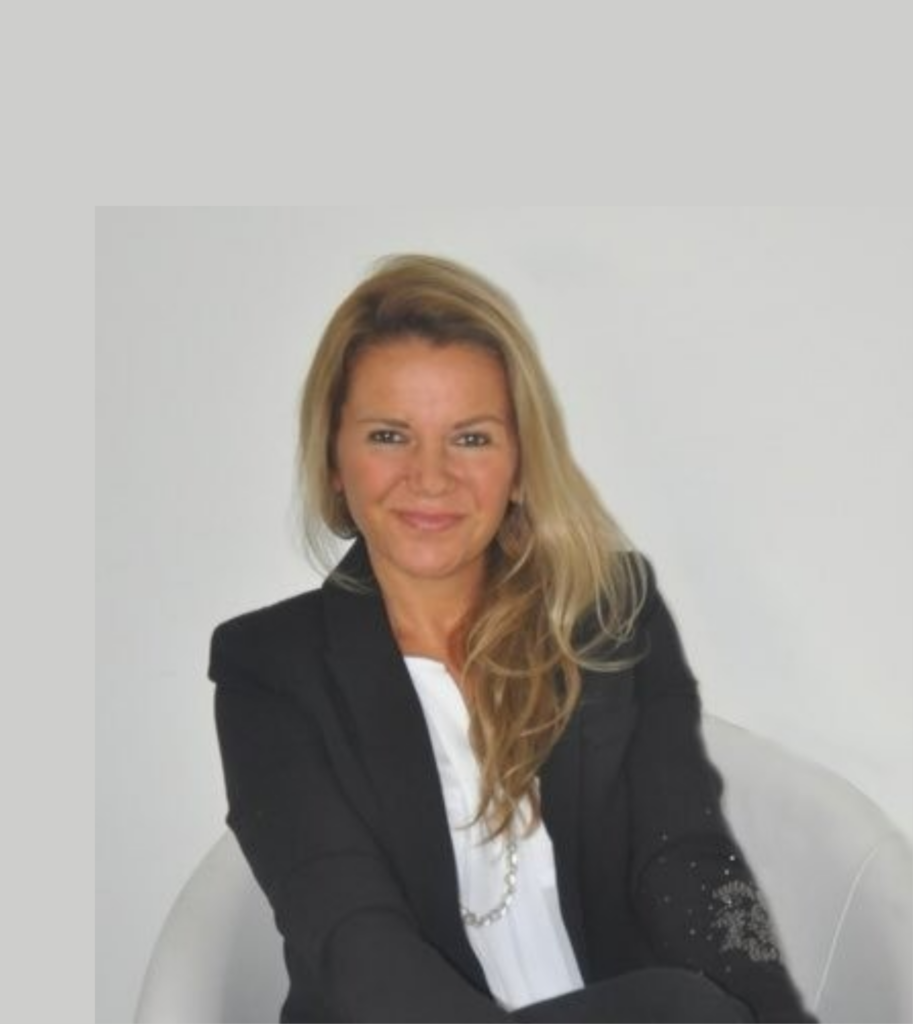
Ana Basco (Argentina)
Director. International Trade Specialist
Ana Basco is an economist and political scientist graduated from the University of Buenos Aires (UBA), with more than 20 years of professional experience in sustainable development, regional integration, and technological transformation. She has completed postgraduate studies in Regional Integration and International Business at institutions in the United States and Europe, which have enabled her to develop a global and strategic perspective for advancing Latin America’s transformation toward a more integrated and sustainable future.
Throughout her career, Ana has held key positions in international organizations such as the Inter-American Development Bank (IDB), where she served as Director of the Institute for the Integration of Latin America and the Caribbean (INTAL). In this role, she led multidisciplinary teams and promoted research and cooperation in areas including trade, regional integration, artificial intelligence, and sustainable development.
As an academic, Ana teaches courses on economic, human, and social development at the university level. She has published numerous studies, articles, and books on regional integration, sustainable trade, the digital gender gap, and the Fourth Industrial Revolution. Her work has helped strengthen the links between academia and the international development cooperation agenda.

Jimena Calvo (Argentina)
Director. Public Policy and Sustainability Specialist
She holds a Bachelor’s Degree in Economics and a postgraduate degree in Economics from the University of Buenos Aires. She has extensive experience in both the public and private sectors, particularly in the design and implementation of public policies related to productive development, education, and environmental sustainability. She has prepared and designed numerous macroeconomic, sectoral, and impact assessment reports, developed database systems, and managed special projects alongside renowned teams of economists.
She served as Chief Economist at Fundación Capital and Coordinator of the Economics Area at FUNDAR. She was also National Director of Productive Analysis and Statistics at Argentina’s Ministry of Production (2016–2018) and Chief of Staff at the General Directorate of Productive Strategy of the Government of the City of Buenos Aires (GCBA) from 2019 to 2021.
Jimena acted as the technical focal point for the Sustainable Development Goals (SDGs) within the National Ministry of Production and represented the GCBA in the C40 Green Jobs peer group. She also co-led the project that produced the first measurement of green employment in the City of Buenos Aires.
She has taught Economics in several master’s degree programs at the Universidad del Salvador (USAL). She has authored numerous journalistic and academic articles on macroeconomics, microeconomics, and climate change.
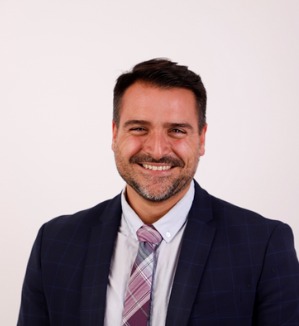
Lautaro M. Ramirez (Argentina)
Associate. Regional Economic Integration Specialist
He is a lawyer, holds a Master’s Degree in Latin American Integration, and is a specialist in integration policies from the National University of La Plata. He also earned a Diploma in Trade and Environment from American University in Washington, D.C., and completed a postgraduate program in Law, Economics and Politics in Comparative Perspective: European Union and MERCOSUR at the University of Bari, Italy.
Within the Argentine public sector, he served as Technical Advisor to the Ministry of Agriculture, participating in the negotiations of the MERCOSUR–European Union Agreement (2009–2010). He also advised the Ministry of Production in relation to compliance with the WTO dispute case DS438: Argentina — Measures Affecting the Importation of Goods (2015–2016). He later served as Director of Trade for the Province of Buenos Aires (2017–2018) and as an advisor to the Investment and Foreign Trade Promotion Agency. From 2019 to 2021, he worked as Rapporteur for the Foreign Trade Committee of the Honorable Chamber of Deputies of the Province of Buenos Aires.
At the international level, he has served as a legal advisor and consultant to various international organizations on regional economic integration and market access, including the Organization of American States (OAS), the Inter-American Development Bank’s Institute for the Integration of Latin America and the Caribbean (IDB-INTAL), the Latin American and Caribbean Economic System (SELA), and the World Trade Organization (WTO), among others. He is also a lecturer at both undergraduate and postgraduate levels in Argentina and abroad.
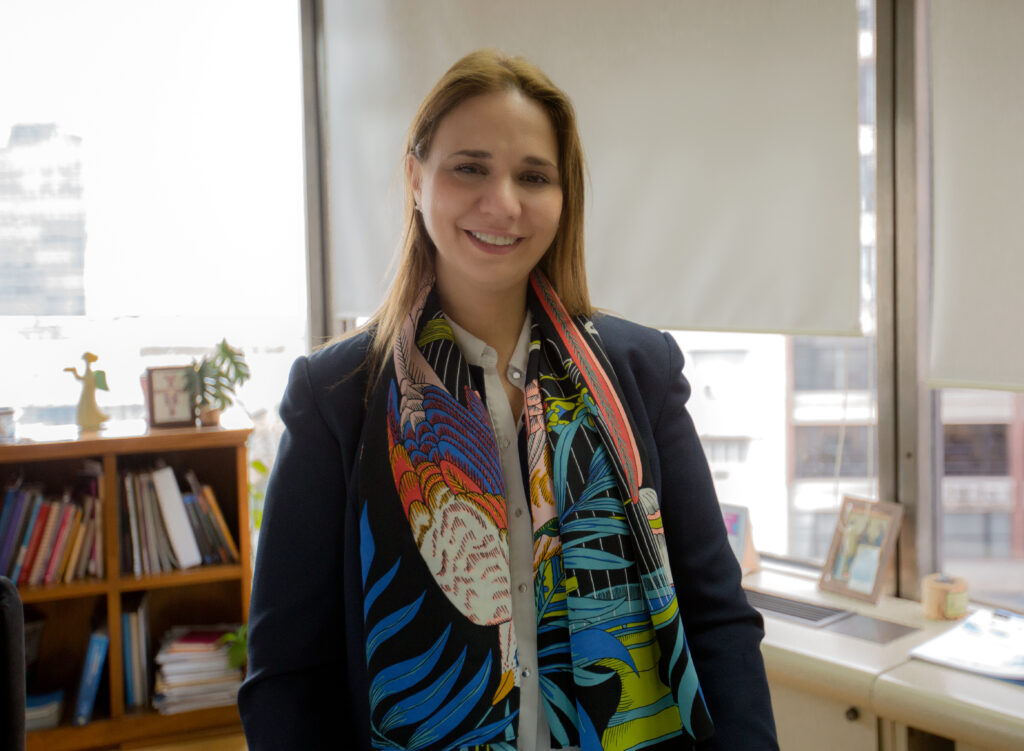
Gabriela Agosto (Argentina)
Associate. Social Policy Specialist
Gabriela Agosto holds a Ph.D. in Political Science and Sociology from the Complutense University of Madrid (UCM), a Master’s Degree in Public Administration from the Ortega y Gasset University Institute (IUOG-UCM), and a Bachelor’s Degree in Sociology with honors from the University of Buenos Aires (UBA). She currently serves as Dean of the Faculty of Social Sciences at the University of Salvador (USAL), Argentina. She has taught at various universities and has worked as a researcher at the Gino Germani Research Institute (UBA) and the Institute of Ibero-America and Portugal at the University of Salamanca.
She is a member of the UNESCO Chair “Current Manifestations of the Social Question”, the Argentine Association of Social Policies (AAPS), the Network of Women Political Scientists (Nosinmujeres), and the Argentine Association of Women Judges (AMJA).
In the public and international spheres, she served as Secretary of State of the National Council for the Coordination of Social Policies (2015–2019), Executive Director of the Social Observatory (2008–2015), and Coordinator of the Heads of Household Registry Program (2002–2004), among other prominent positions.

Martín Harracá (Argentina / Reino Unido)
Associate. Digital Economy Specialist
Martín is an economist graduated from the University of Buenos Aires (UBA), holding a Ph.D. in Management and Business from the University of Surrey and a Master’s Degree in Political and Economic Analysis from Paris 13 University – Sorbonne Paris Cité. His work focuses on digital transformation, particularly on the strategy, competition, and governance of digital platforms. He coordinates and participates in a variety of research projects related to these topics.
He is currently an Associate Researcher at the Centre for Digital Economy at the University of Surrey and at the Discrete Event Simulation Laboratory (UBA/CONICET), while also collaborating with InsightLAC. He has served as a Visiting Lecturer at the Surrey Business School and at the University of San Andrés, and has taught Macroeconomics and the History of Economic Thought at the University of Buenos Aires.
In the public sector, he held senior positions including Head of Planning and Management Control at the General Directorate of Military Manufacturing and Coordinator of the Directorate of Models and Projections at the Ministry of Economy and Public Finance.

Melina Masnatta (Argentina)
Associate. Educational Technology Specialist
Melina Masnatta is an entrepreneur and specialist in Educational Technology and Diversity. She is currently pursuing a Ph.D. and holds both a Master’s and a Bachelor’s Degree in Education Sciences from the University of Buenos Aires (UBA). She has also completed executive education and specialization programs in leadership and social impact at Georgetown University (United States), the London School of Economics (United Kingdom), and the Schusterman Foundation (Israel).
With more than 15 years of experience, she has led social innovation programs across the public sector, private organizations, and international institutions. As an Ashoka Fellow, she has received numerous recognitions, including Entrepreneur of the Year (EY), LinkedIn Top Voice, and Beiersdorf AG Changemakers United.
She is the co-founder and former Executive Director of Girls in Technology (Chicas en Tecnología) and served as Global Director of Learning and Diversity at Globant, where she led initiatives with impact across 30 countries.
Currently, she is Deputy Director of the Postgraduate Program in Artificial Intelligence and Gender at the University of Buenos Aires (UBA), Academic Coordinator of the Master in Business in Digital Business at the University of San Andrés (UDESA), and Professor in the Master’s Program in Ethical Governance of Artificial Intelligence at the Pontifical University of Salamanca.
An international speaker and LinkedIn Top Voice, she is the author of more than 1,000 publications, including Educar en tiempos sintéticos (Educating in Synthetic Times, Galerna, 2024).

Magdalena De Lucca (Argentina)
Associate. Specialist in Climate Action, Sustainable Finance, and Governance
Magdalena De Lucca holds a Bachelor’s Degree in Tourism with a specialization in Planning and Environment from the National University of the South (UNS). She is a specialist in climate action, sustainable finance, and governance, with more than a decade of experience in public policy, international cooperation, and project management. She has completed postgraduate studies in Project Management with External Financing at the National University of Tres de Febrero (UNTREF), Big Data for Urban Planners at the University of Buenos Aires (UBA), and Heritage Management at Université Lumière Lyon 2 in France.
She served as National Director at the Secretariat for Strategic Affairs of the Presidency of Argentina, where she led, among other initiatives, the coordination of the Intersectoral Hydrogen Working Group responsible for developing the National Hydrogen Strategy (2023) and the sector’s first Strategic Environmental Assessment. She also served as Chief of Staff at the Secretariat of Climate Change, Sustainable Development, and Innovation, supporting the planning of Argentina’s national climate policy and participating in international negotiation forums such as the G20 and COP26 in Glasgow.
Previously, she was National Coordinator of the World Bank’s Partnership for Market Readiness (PMR) Program, managing projects related to carbon pricing mechanisms, renewable energy, energy efficiency, and sustainable transportation.
Currently, her work focuses on strategic planning and access to financing to advance sustainable development initiatives by fostering collaboration among public, private, and multilateral stakeholders. Her expertise combines technical analysis, partnership building, and process facilitation at the intersection of environmental governance, energy transition, sustainable finance, and nature-based solutions. She is also actively involved in communicating these agendas within decision-making spaces and serves as a facilitator, lecturer, and speaker on these topics.
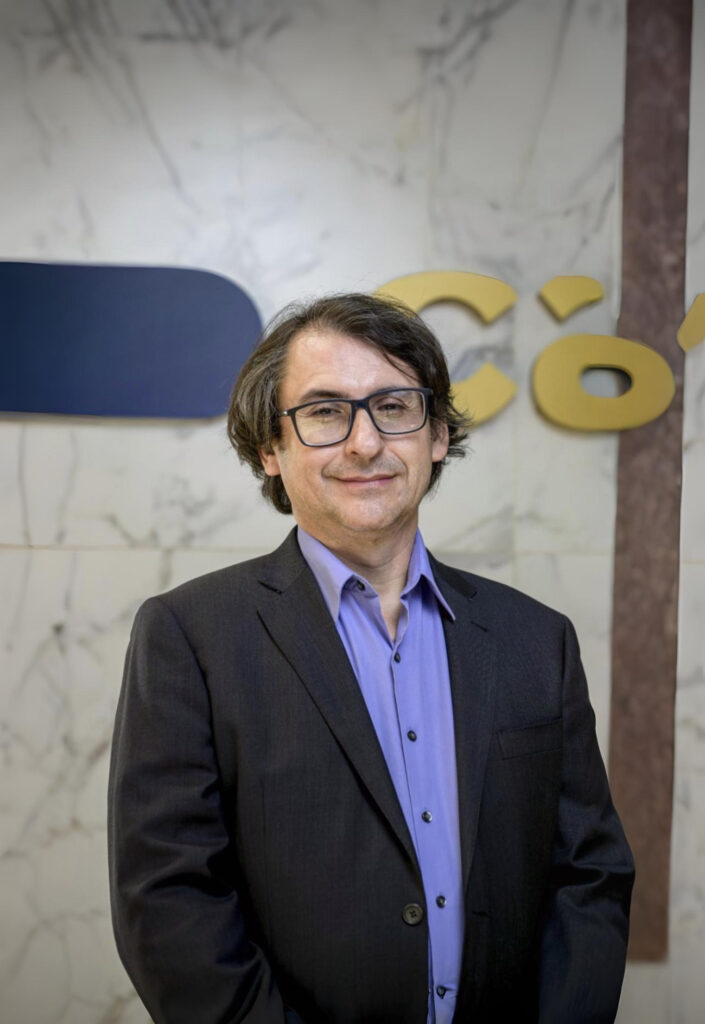
Wildo González (Paraguay / Chile)
Associate. Economic Development Specialist
Wildo González holds a Master of Arts in Economics from ILADES/Georgetown University. He has extensive professional experience as a Senior Economist at the Central Bank of Chile and as a consultant for major multilateral organizations, including the Inter-American Development Bank (IDB), the International Labour Organization (ILO), and the Development Bank of Latin America and the Caribbean (CAF).
He specializes in Economic Development, with research focused on the impact of automation, labor markets, productivity, climate-related challenges, and gender gaps. In addition, he has expertise in capital markets, investment projects, and strategic analysis.
His academic work has been published in leading peer-reviewed journals, including Labour Economics, International Review of Economics and Finance, Applied Economics Letters, and Empirical Economics.

Florencia Cayrol (Argentina)
Associate. Biotechnology Specialist
Florencia Cayrol holds a Bachelor’s Degree in Biotechnology with a specialization in Molecular Genetics from the National University of Quilmes (UNQ) and a Ph.D. in Pharmacy and Biochemistry from the University of Buenos Aires (UBA). Her academic training as a biotechnologist has provided her with extensive expertise across multiple disciplines related to human health.
She currently serves as an Assistant Researcher at Argentina’s National Scientific and Technical Research Council (CONICET) and is a faculty member in the Biotechnology program at the Catholic University of Argentina (UCA).
Throughout her career, she has received numerous distinctions and awards from highly prestigious national and international institutions, including the Bunge y Born Foundation, the Fiorini Foundation, the L’Oréal-UNESCO For Women in Science program (both National and International Rising Talents awards), the Women Economic Forum, and the American Society of Hematology, among others.
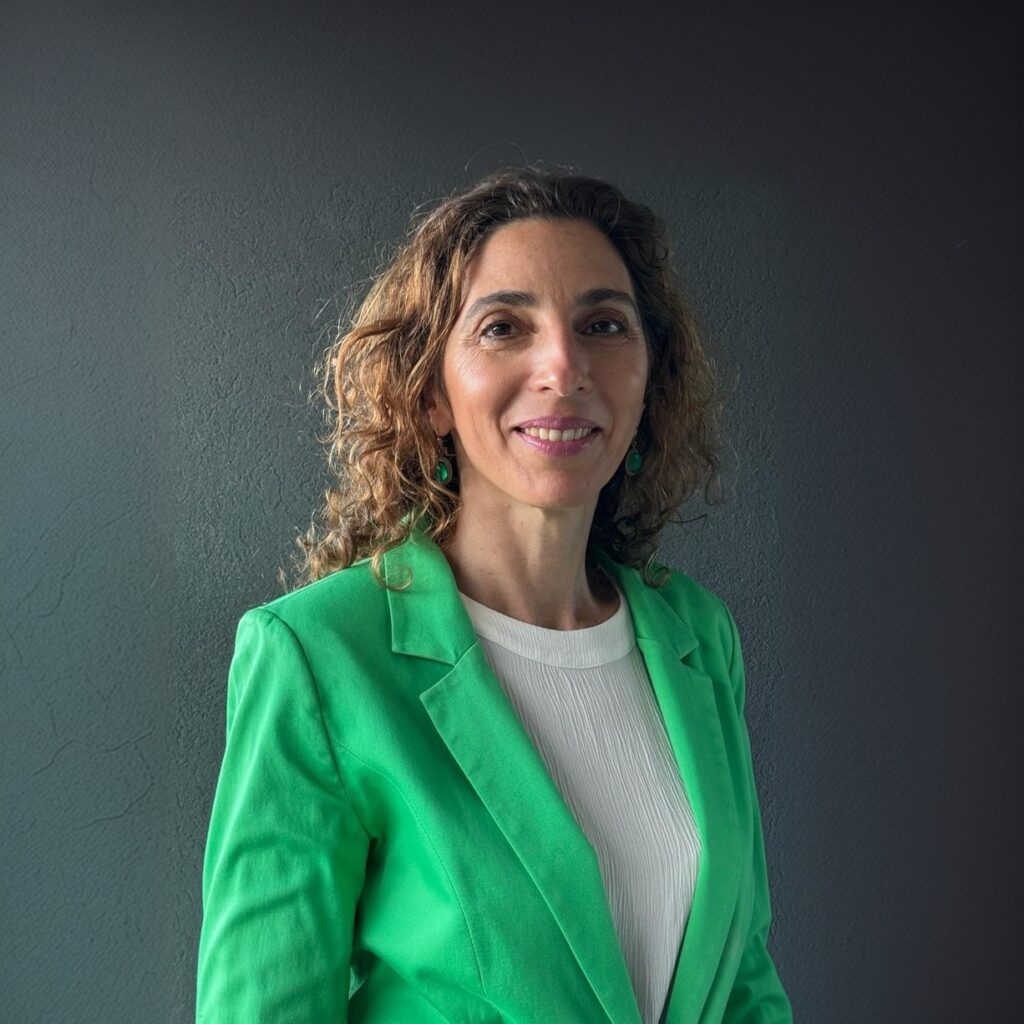
Marisa Miodosky (Argentina)
Associate. Gender Policy Specialist
Marisa Miodosky is a political scientist from the University of Buenos Aires (UBA), specialized in public policy with a gender perspective, and holds a Master’s Degree in Sustainable International Development from Brandeis University (United States).
With more than 20 years of experience in social development, she has worked with international organizations such as the Inter-American Development Bank (IDB), the World Bank, FONPLATA, and the Carter Center. She also led the Gender Equality Strategy of the City of Buenos Aires.
Her work in gender policy has received international recognition. Currently, she advises public and private organizations on the design and implementation of comprehensive Diversity, Equity, and Inclusion (DEI) strategies, sustainability initiatives, and ethical approaches to carbon markets. Her work focuses on integrating social and environmental justice through an intersectional lens.
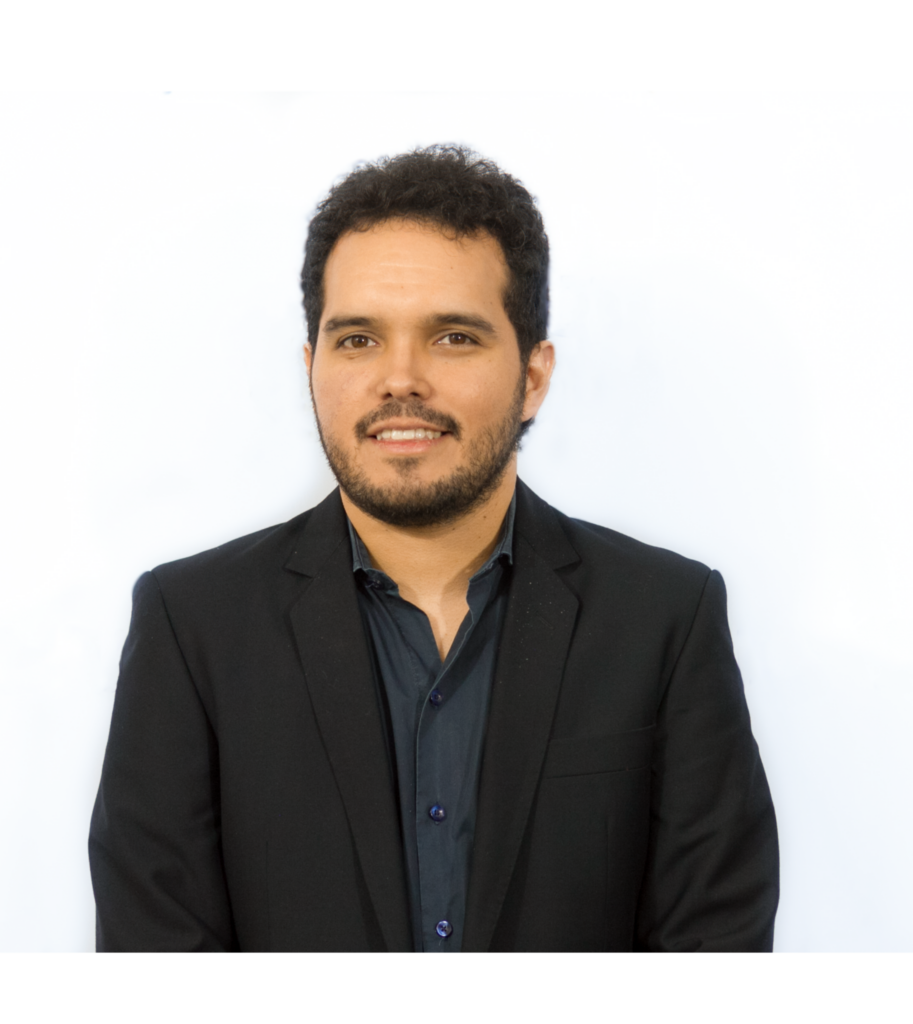
Mariano Pereira (Argentina)
Associate. Impact Evaluation Specialist
Mariano Pereira is an economist specialized in the monitoring, evaluation, and impact assessment of public programs and international development projects. Over a career spanning more than 15 years, he has led impact evaluations for multilateral institutions such as the Inter-American Development Bank (IDB) and the World Bank, as well as for public agencies across the region, including CORFO and Chile’s Ministry of Science and Technology, Start-Up Peru, and Paraguay’s National Council of Science and Technology (CONACYT). His work has focused primarily on evaluating innovation and technological development programs throughout Latin America.
As Director of the Monitoring and Impact Evaluation Unit at the Center for Interdisciplinary Studies on Science, Technology, and Innovation (CIECTI) from 2015 to 2024, he led key evaluations for Argentina’s National Agency for the Promotion of Research, Technological Development and Innovation (Agencia I+D+i). These included assessments of the Technological Innovation Program (PIT), the National Fund for Scientific and Technological Research (FONCYT), and various technology promotion instruments.
He is also a university professor at both undergraduate and graduate levels. His academic work includes publications in leading journals such as Science and Public Policy, Economics of Innovation and New Technology, and Journal of Evolutionary Economics, with a particular focus on the evaluation of innovation programs and the analysis of gender gaps in scientific funding.

Verónica Massera (Argentina)
Associate. Blockchain Specialist
Verónica Massera holds a degree in Systems Analysis from the University of Buenos Aires (UBA). She is a technology leader with more than 25 years of professional experience.
Driven by the transformative potential of Web3 technologies, she has specialized in the development of decentralized applications built on secure and immutable data infrastructures, including the design and implementation of smart contracts on blockchain networks. These solutions have been applied across various sectors, including healthcare (digital-signature-based transplant waiting lists for Argentina’s National Central Institute for Ablation and Transplant Coordination – INCUCAI), mining (land allocation bidding processes for the Colombian government), and customs operations (the CADENA project), among others.
She has collaborated with leading experts across Latin America to advance and refine the Self-Sovereign Identity (SSI) standards proposed by the World Wide Web Consortium (W3C) as part of the LACChain initiative.
A strong advocate for individual ownership of digital identity, Verónica has developed blockchain-based self-sovereign digital identity solutions and actively participates in the global Web3 community. She is constantly exploring innovative approaches and thinking beyond conventional boundaries to create creative solutions that generate a positive impact on society.
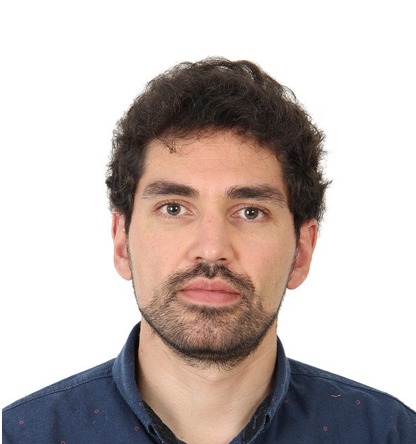
Felipe Hurtado (Ecuador)
Associate. Trade and Integration Specialist
Felipe Hurtado is an economic and political consultant with nearly fifteen years of experience in political risk analysis, economic research, and strategic advisory services. He holds a degree in Economics from the Pontifical Catholic University of Ecuador and a Master’s Degree in International Economic Relations from the University of Barcelona, jointly awarded with FLACSO Argentina and the University of San Andrés. He further expanded his academic background through the Governance and Political Leadership Program at IDE Business School.
He currently serves as President of Prófitas, where he leads economic and political consulting projects, providing strategic and forward-looking analysis to support business decision-making. He is also Academic Director at the Corporation for Development Studies, where he promotes macroeconomic research with a focus on the impact of public policies and the regulatory environment.
Throughout his career, he has participated in consulting projects related to business climate, competition, innovation, international trade, and institutional frameworks for private companies, multilateral organizations, non-governmental organizations, embassies, and law firms.
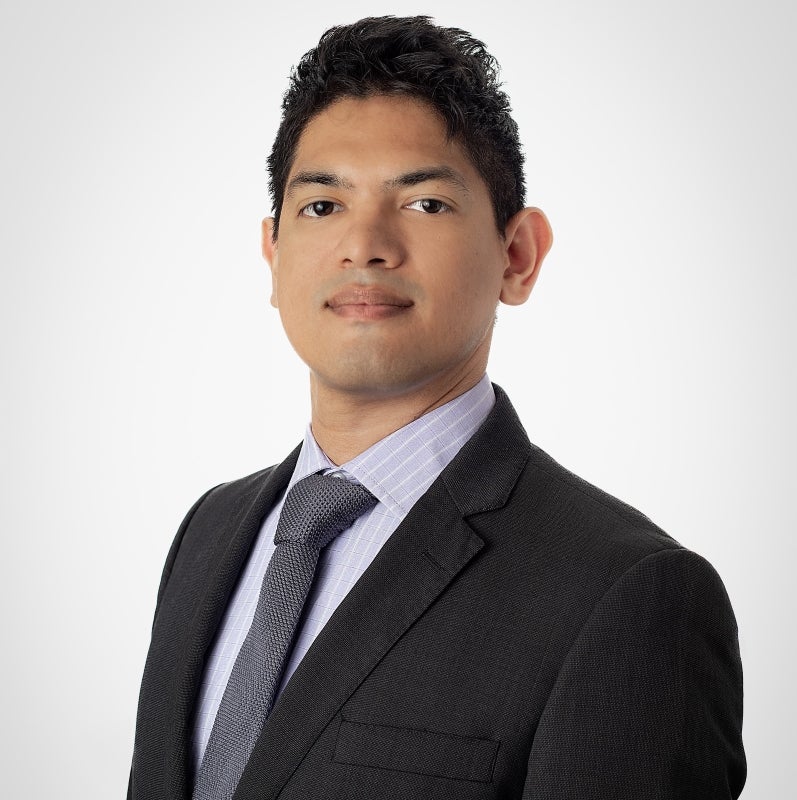
Salvador Meneses Requena (Mexico / United States)
Associate. Environmental Governance Specialist
Salvador Meneses Requena is a Mexican environmental economist and mathematician with extensive experience in research, consulting, and public administration. He is currently pursuing a Ph.D. in Sustainability at Arizona State University as a Fulbright Scholar, where he studies collaborative governance models to address urban challenges such as waste management, climate resilience, and intermunicipal service delivery, integrating both qualitative and quantitative research methods.
He previously served as Director General of Public Investment within a subnational government in Mexico, where he led strategic infrastructure portfolios and impact evaluation initiatives. He has also worked on the design of economic instruments to support climate policy, urban mobility, and the conservation of tourism-related ecosystems.
With professional experience across Mexico, the United States, and the Caribbean, Salvador actively participates in interdisciplinary networks and initiatives focused on the application of artificial intelligence to climate policy. He has demonstrated a strong ability to build collaborations between academic institutions and government agencies, creating teams dedicated to translating knowledge into practical solutions.
As co-founder of Environmentus Economistas Mexicanos, he combines technical rigor and strategic vision with a deep commitment to the sustainable development of the region.
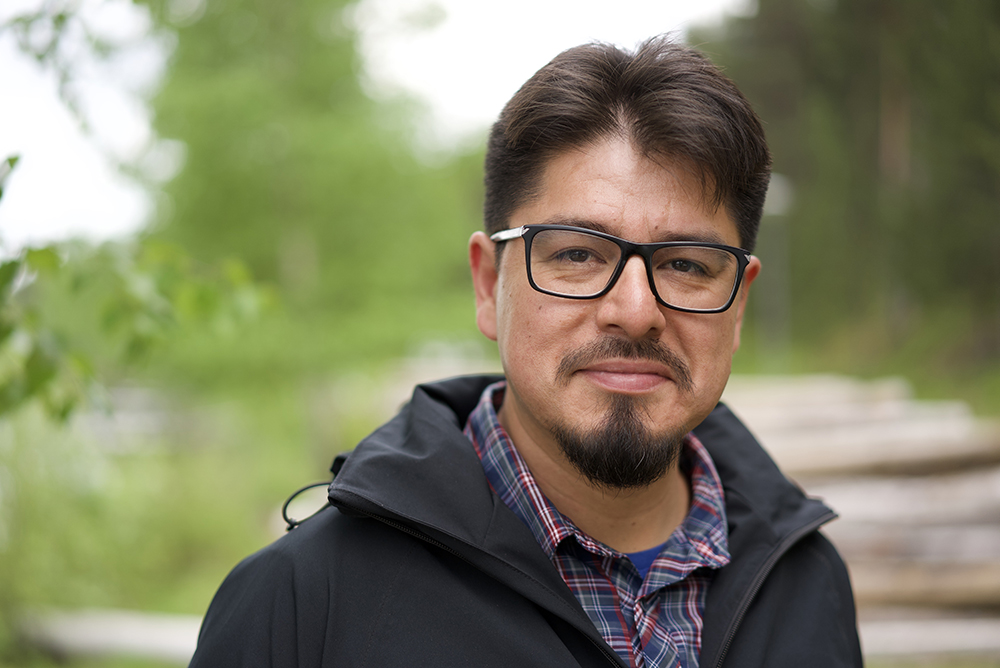
Adan Martinez Cruz (México)
Associate. Environmental Economics Specialist
Adán Martínez Cruz is an empirical and interdisciplinary microeconomist who actively bridges academic research with the needs and priorities of the public and private sectors, as well as international organizations. This is reflected in his consulting work for institutions such as the Inter-American Development Bank (IDB), the World Bank, the United Nations Development Programme (UNDP), the Food and Agriculture Organization (FAO), the Organisation for Economic Co-operation and Development (OECD), and Mexico’s National Institute of Ecology and Climate Change (INECC), among others.
As President-Elect of the Latin American and Caribbean Association of Environmental and Natural Resource Economists (LAERE), Adán promotes collaboration and knowledge exchange aimed at providing decision-makers across the region with the best available evidence to inform policy and practice.
His academic work spans urban, agricultural, forestry, and marine resource economics and has been published in leading journals in the field, including Journal of Environmental Economics and Management (JEEM), Land Economics, and Environmental and Resource Economics, as well as in highly regarded interdisciplinary journals such as Energy Policy, Marine Policy, and Cities.
He currently serves as Associate Editor of Agricultural Economics. His public engagement includes participation in the podcast episode “Valuing Nature in Our Economies” from Feed: A Food System Podcast, where he discusses the role of environmental valuation in economic decision-making.
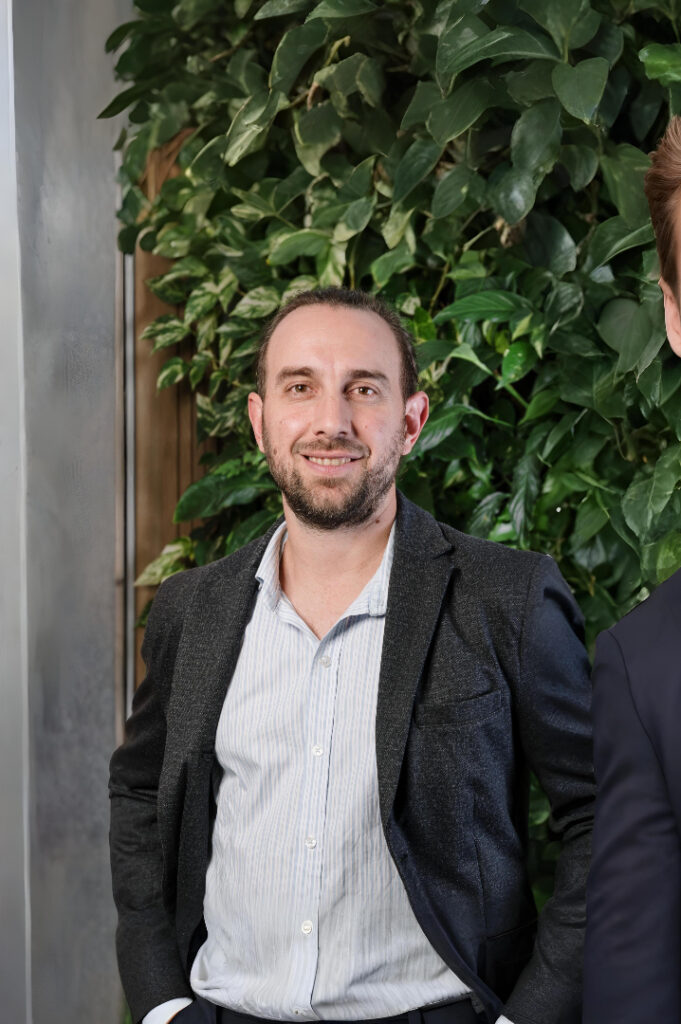
Esteban Actis (Argentina)
Associate. International Relations Specialist
Esteban Actis holds a Ph.D. in International Relations from the Faculty of Political Science and International Relations at the National University of Rosario (UNR), awarded in 2015. He is currently a professor and researcher at the same institution.
He was a doctoral and postdoctoral fellow of Argentina’s National Scientific and Technical Research Council (CONICET) and has taught in a variety of national and international postgraduate programs.
Esteban serves as a consultant to the Argentine Council for International Relations (CARI) and the ICBC Foundation. He has also worked as a consultant for the Institute for the Integration of Latin America and the Caribbean (INTAL) of the Inter-American Development Bank (IDB).
His areas of expertise include international trade, regional integration, globalization, and global political risk analysis.
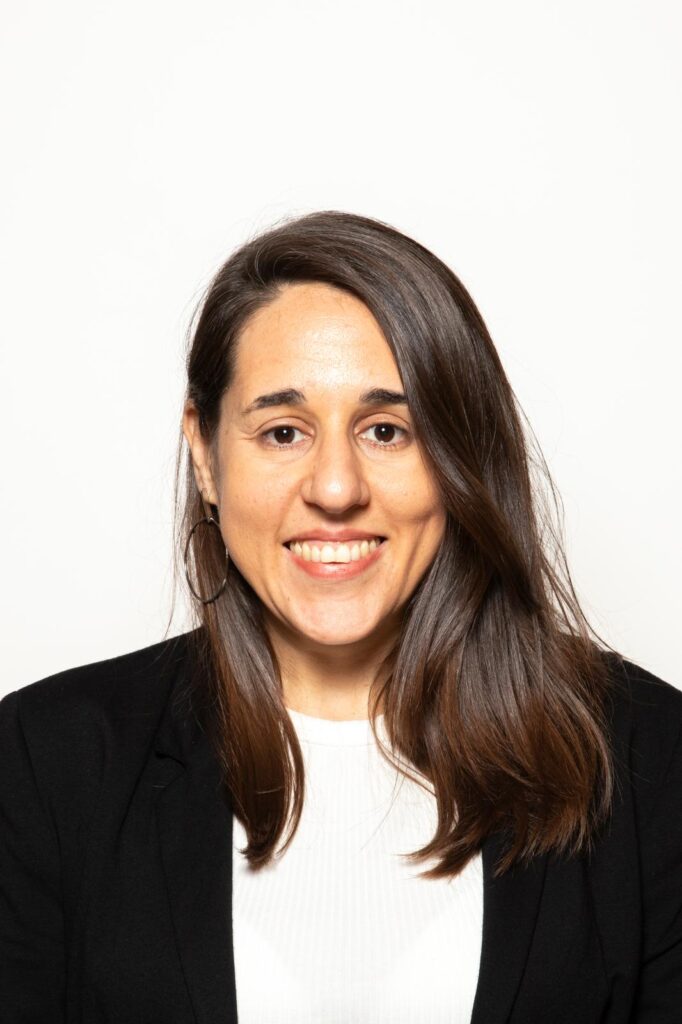
Elianne Kremer Fajgenbaun (Uruguay)
Associate. Gender and Migration Specialist
Elianne Kremer Fajgenbaun holds a Master’s Degree in Community Development and International Development from the Hebrew University of Jerusalem, Israel, and a Bachelor’s Degree in International Relations from the University of the Republic of Uruguay.
She specializes in the design and leadership of strategies aimed at generating social impact and fostering inclusion. Her work focuses on creating and implementing initiatives that address social inequalities while promoting equitable development.
Elianne has extensive experience in research that supports the formulation of national and international public policies related to social and digital inequality, as well as the protection and advancement of Indigenous peoples’ rights.
Her professional background includes direct work with migrant and refugee populations from Eritrea and Sudan, Ethiopian girls and adolescents, and Bedouin communities in southern Israel. Through these experiences, she has developed deep expertise in issues related to migration, inclusion, community development, and vulnerable populations.
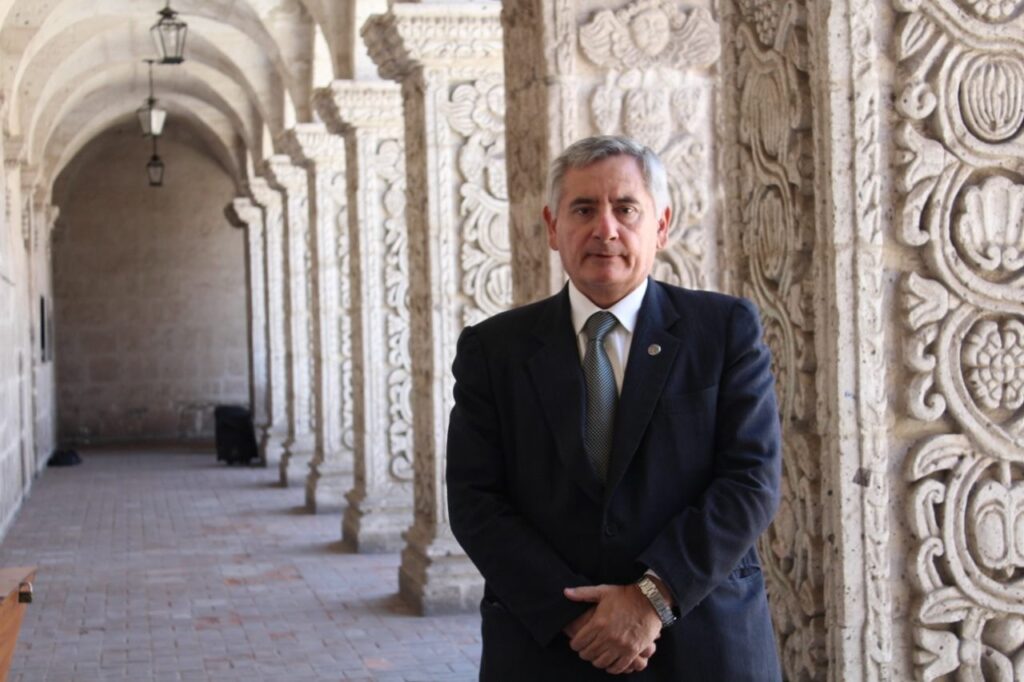
Alan Fairlie (Perú)
Associate. International Trade Specialist
Alan Fairlie is a Full Professor in the Department of Economics at the Pontifical Catholic University of Peru (PUCP). He holds a Ph.D. in Strategic Management from the Consortium of Universities (PUCP, University of the Pacific, University of Lima, and Cayetano Heredia Peruvian University), a Master’s Degree in International Trade and Development from the Torcuato Di Tella Institute, a Master’s Degree in University Policy and Management from the University of Barcelona/PUCP, and a Bachelor’s Degree in Economics from PUCP.
He served as Dean of the Faculty of Social Sciences at PUCP from 2011 to 2016 and as Director of the Master’s Program in Biotrade and Sustainable Development from 2010 to 2024.
Professor Fairlie is a researcher at the Institute of Natural Resources, Environment and Sustainable Development (INTE), the Center for Social, Economic, Political and Anthropological Research (CISEPA), and the Society, Energy, Territory and Climate Change (Tinkuy) Research Group at PUCP.
He is an active member of several international academic and policy networks, including the Latin American Trade Network (LATN), and participates in working groups of the Latin American Council of Social Sciences (CLACSO) and GRIDALE, focusing on geopolitics, regional integration, and sustainable development. He currently serves as Chair of the European Union–Latin America Section of the Latin American Studies Association (LASA).
His public service career includes serving as an elected Andean Parliamentarian (2016–2021), where he chaired both the Integration Commission and the Education Commission.
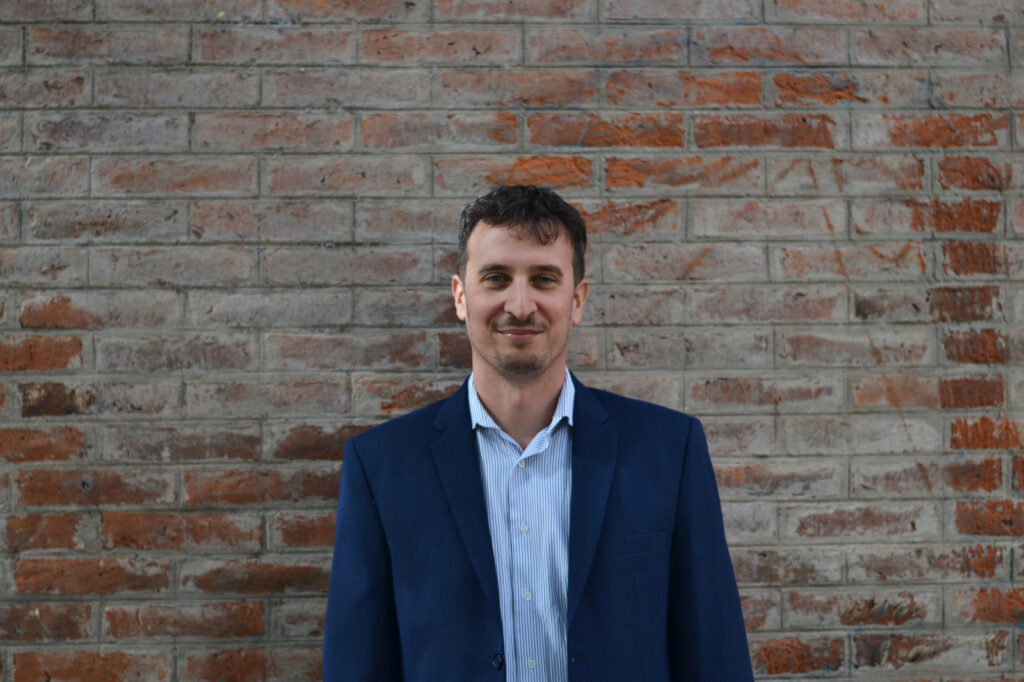
Marco Iazzetta (Argentina)
Associate. Public Security Specialist
Marco Iazzetta holds a Bachelor’s Degree in Political Science from the National University of Rosario (UNR), a Ph.D. in Political Science from UNR, and a Ph.D. in Philosophy from Université Paris 8.
He is a professor and researcher at the National University of Rosario, where he serves as Academic Coordinator of the Bachelor’s Degree in Citizen Security. He is also a full professor of the courses Introduction to Citizen Security, Workshop on the Analysis of Violence Prevention Policies, and the seminar State, Crime, and Drug Trafficking at the Faculty of Political Science and International Relations (UNR).
Marco coordinates the Violence and Politics Study Group and participates in research projects and academic networks based at both national and international universities.
Since 2023, he has been a member of the Global Initiative Against Transnational Organized Crime (GI-TOC).
His research focuses on criminal organizations, illicit markets, and gun violence, with particular emphasis on local dynamics in the city of Rosario.
In the public sector, he served as Undersecretary of Public Security Policies at the Ministry of Security of the Province of Santa Fe (2019–2021) and as a Criminal Analyst at the Public Prosecutor’s Office (Ministerio Público de la Acusación – MPA) of Santa Fe (2018–2019).
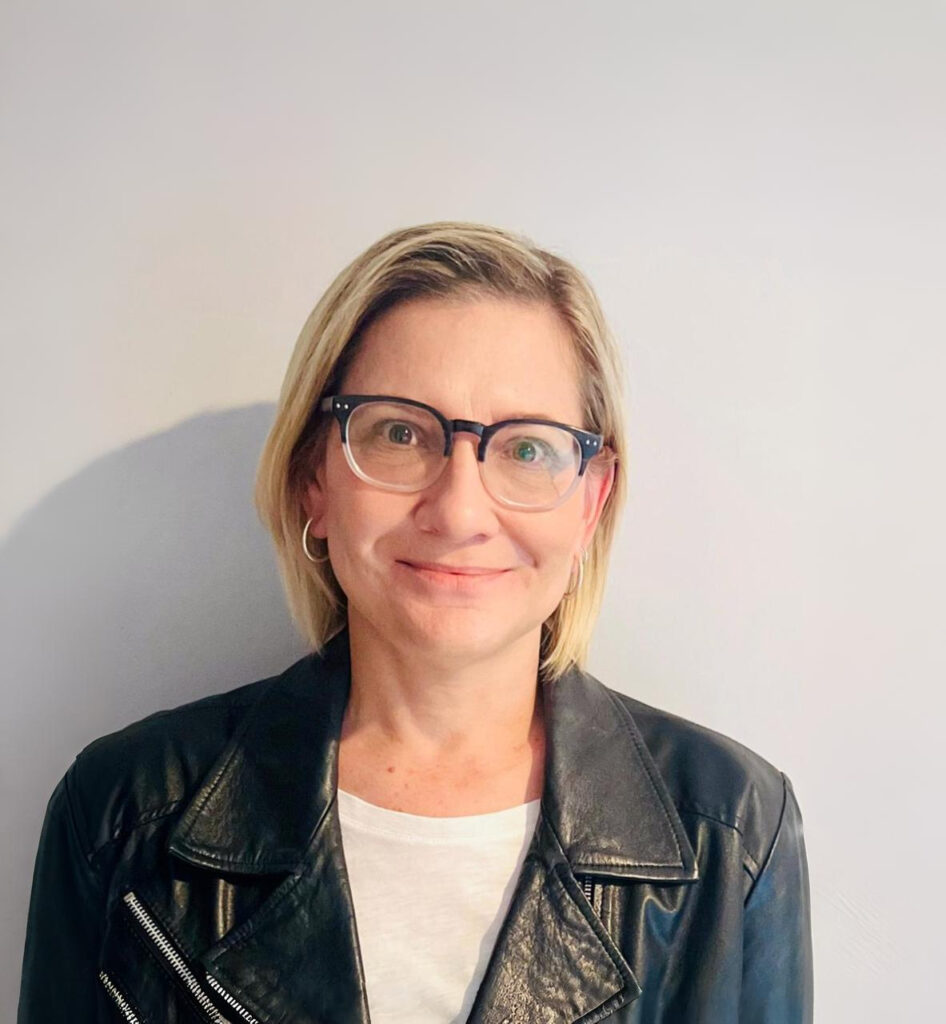
Catterina Colombo (Chile)
Associate. International Project Management Specialist
Catterina Colombo holds a Bachelor’s Degree in Economics from Gabriela Mistral University (Chile) and a Master’s Degree in Economics and Public Policy from Torcuato Di Tella University (Argentina).
She has extensive experience working with multilateral organizations and in the public sector, specializing in public expenditure, labor markets, skills development, childhood policies, and gender inclusion. She has served as Project Coordinator for the International Labour Organization (ILO) and the United Nations Population Fund (UNFPA), as well as Senior Consultant for the Inter-American Development Bank (IDB) and UNICEF.
Throughout her career, she has led multidisciplinary teams in high-impact projects across Argentina and Latin America, with a strong focus on project management, monitoring and evaluation, and the development of public-private partnerships.
She is the author and co-author of numerous publications, technical notes, and blog articles addressing topics such as public spending, human development, social protection, labor markets, and workforce skills development.
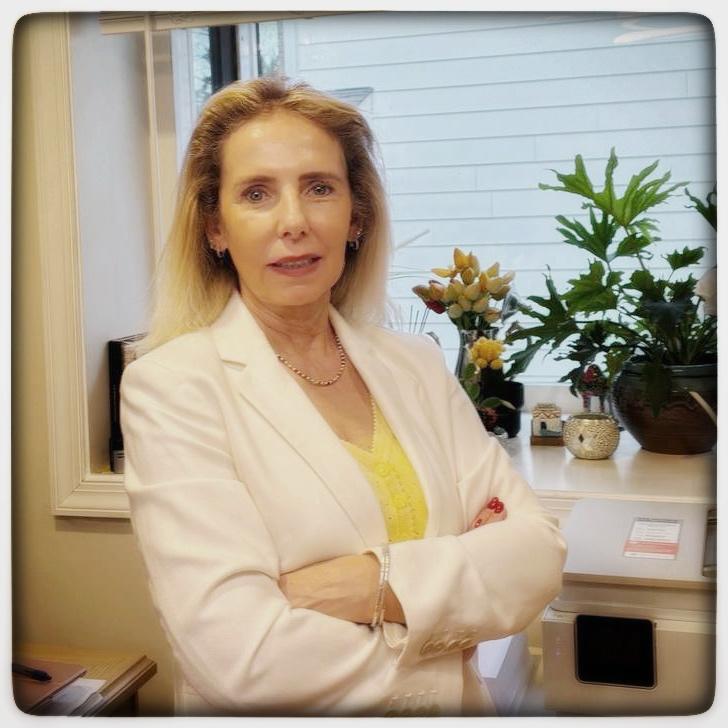
Marcela Natalicchio (Argentina)
Associate. Governance and Business Strategy Specialist
Marcela Natalicchio holds a Ph.D. in Political Science from the Massachusetts Institute of Technology (MIT) and a Master’s Degree in Sociology from Boston University.
For over 20 years, she worked at the World Bank as a specialist in political economy, governance, and social development. Throughout her extensive career, she led and contributed to a wide range of initiatives, including regional research projects in Africa and Latin America on topics such as nutrition programs, urban water distribution, climate change, and political economy.
She also designed and conducted country-level lending portfolio evaluations in areas including governance, corruption, transparency, and citizen participation across several African countries—such as Ethiopia, Tanzania, and Uganda—as well as in Argentina and Uruguay. In addition, she served as Director of the Governance, Corruption, and Citizen Participation Advisor’s Team for Africa at the World Bank.
Marcela later became Senior Operations Officer within the team responsible for implementing a new global operational risk management system across the World Bank. She has also worked as a consultant for various international organizations, including the United Nations Development Programme (UNDP), IFDA, and the Spanish Agency for International Development Cooperation.
Her academic and professional contributions include numerous publications on political economy and urban policy.
In 2025, she earned certification in Business Strategy through the Economies of Mutuality (EOM) initiative and the Saïd Business School at the University of Oxford. Since then, she has focused on advising companies, serving as a liaison for the development of business school programs at universities—including Fundação Getulio Vargas in Brazil—and conducting case studies on organizations applying the Economies of Mutuality framework, such as Enzi Motors in Kenya.
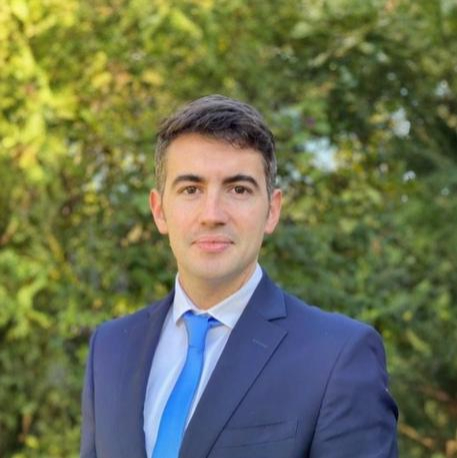
Pablo Bertin (Argentina)
Associate. International Economics Specialist
Pablo Bertin holds a Master’s Degree in Econometrics from Torcuato Di Tella University, a Master’s Degree in International Economic Relations from the University of Buenos Aires (UBA), and a Bachelor’s Degree in Economics from the National University of La Plata.
He teaches International Economics at the University of Buenos Aires and has served as a guest lecturer in several postgraduate programs at the same institution.
Pablo is an Associate Researcher in the Economic Simulation Models (MESi) area of the Interdisciplinary Institute of Political Economy (IIEP) at the University of Buenos Aires and a member of the Argentine Council for International Relations (CARI).
Throughout his career, he has worked as a consultant in the private sector, for national institutions such as the Center for the Implementation of Public Policies for Equity and Growth (CIPPEC), and for international organizations including the International Labour Organization (ILO). He has also held positions in various ministries of the Argentine national government, working on issues related to production, economic policy, and foreign affairs.
His main areas of expertise include the analysis, measurement, and evaluation of trade policy impacts, productive structure, sustainable economy, and a broad range of topics related to international economics.

Beatriz Nofal (Argentina)
Associate. Economic Development Specialist
Beatriz Nofal is a distinguished international expert in economic development with more than 30 years of experience promoting inclusive growth, sustainable development, regional integration, competitiveness, productivity reforms, innovation, and investment mobilization across Argentina and Latin America at the regional, national, and subnational levels.
She holds a Ph.D. in Development from the Johns Hopkins University Whiting School of Engineering, as well as postgraduate studies from the École des Hautes Études en Sciences Sociales (EHESS) in Paris and the Institute of Social Studies in The Hague.
She is a founding partner of Eco-Axis S.A., a consulting firm specializing in economic growth and business strategy. Her extensive experience spans international trade, regional integration, investment promotion, private-sector advisory services, and consulting for governments and international organizations.
Beatriz serves as Director of the U.S. Committee and Member of the Executive Committee of the Argentine Council for International Relations, and is also a member of the Academic Committee of the Techint Bulletin. As an external consultant to institutions such as the Inter-American Development Bank (IDB), INTAL, CAF, and the World Bank, she has contributed to projects focused on productive development, trade and regional integration, private capital mobilization, and digital transformation.
In 2025, she worked as a development expert focused on Latin America for the Development Affairs Office of the United Arab Emirates as part of a strategic foresight program.
She served as Secretary of State for G20 Affairs at Argentina’s Ministry of Foreign Affairs and as Argentina’s G20 Sherpa (2016–2017), contributing to the definition of priorities and the organization of Argentina’s 2018 G20 Presidency.
Earlier in her public service career, she was President of Argentina’s National Investment Development Agency, a National Congresswoman, a member of the MERCOSUR Joint Parliamentary Commission, and Undersecretary of Industry and Foreign Trade, where she served as the lead negotiator for the economic integration agreements between Argentina and Brazil that laid the foundation for MERCOSUR.
In the private sector, she held board and executive positions at international firms including A.D. Little, Nobleza Piccardo, and KPMG. She also served as the principal consultant for Toyota during its initial investment project in Argentina and the development of its productive specialization model integrated with Brazil and global markets.
As an academic, she has taught at the Massachusetts Institute of Technology (MIT), Johns Hopkins University, the University of Toronto, and in Argentina at the Buenos Aires Institute of Technology (ITBA), the Pontifical Catholic University of Argentina, and the University of Bologna.
In recognition of her contributions, she has received prestigious honors from several countries, including Brazil’s Order of Rio Branco, Chile’s Order of San Martín, and France’s Legion of Honour.
She is the author of numerous publications, including books, newspaper and magazine articles, academic papers, and specialized consulting studies on economic development, trade, investment, and regional integration.
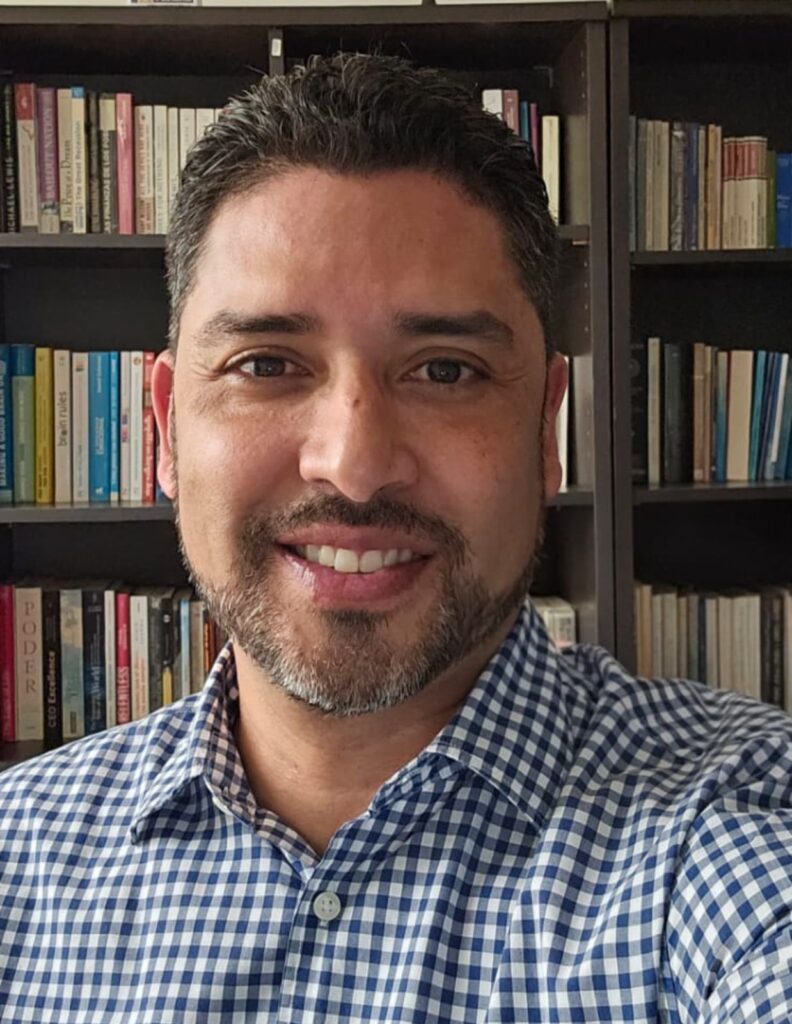
Ricardo Estrada (Argentina)
Associate. Financial Inclusion Specialist
Ricardo Estrada has more than 25 years of experience in both national and international financial systems. He spent over 22 years at the Superintendency of Banks of Guatemala (SIB), where he held senior positions including Director of International Standards, Statistics and Resolution of Financial Institutions, and Head of Prudential Regulation.
In these roles, he led the development of financial legislation and regulatory frameworks covering financial risk management, corporate governance, digital financial inclusion, microfinance, capital markets, liquidity adequacy, and capital requirements. He also led the design and implementation of Guatemala’s National Financial Inclusion Strategy.
Ricardo subsequently worked at the Alliance for Financial Inclusion (AFI), headquartered in Kuala Lumpur, and has served as an international consultant for organizations such as USAID, GIZ, AHIBA, and GSMA.
He currently works as an academic consultant and lecturer at several international institutions, including the Frankfurt School of Finance & Management, the Pontifical Catholic University of Argentina, and the Microfinance Learning and Development Centre in Nigeria.
He holds a Bachelor’s Degree in Business Administration, a postgraduate qualification in Economics, a Master’s Degree in Finance, and professional certifications in Fintech and Regulatory Innovation, Digital Finance, and Microfinance.

Andrea Catalano (Argentina)
Communications Specialist
Andrea Catalano is a journalist and holds a Bachelor’s Degree in Social Communication from the National University of Cuyo. She has built an extensive career in the media industry, beginning as a reporter covering general-interest topics before specializing more than 20 years ago in the Information and Communication Technologies (ICT) sector and its impact on the economy and society.
Her specialization coincided with the global expansion of the internet and the gradual process of digital transformation, positioning her as one of the leading voices in technology journalism in Argentina and across Latin America.
A two-time recipient of the Sadosky Award for Argentine Intelligence in the journalism category, Andrea has become a recognized reference in specialized ICT reporting. Throughout her career, she has worked across a wide range of media formats, including print publications, online media, radio, and television.

Iñaki Gonzalez (Argentina)
Research Assistant
Iñaki Gonzalez holds a Bachelor’s Degree in Social and Cultural Anthropology from the National University of San Martín (UNSAM), with a specialization in Quantitative Methods and Computational Social Sciences. His work focuses on data analysis applied to social and organizational challenges, combining research design, statistical methods, and computational information processing.
He has experience in the construction, systematization, and management of databases, survey analysis, and the use of both quantitative and qualitative data to generate empirical evidence. His expertise includes the application of advanced computational tools for social data analysis, encompassing data modeling, natural language processing (NLP), machine learning, and artificial intelligence techniques.
Iñaki integrates technical data analysis with research problem formulation and contextual social analysis, with a strong emphasis on producing clear, rigorous, and actionable insights to support informed decision-making.

Lucía Santilli (Argentina)
Project Assistant
Lucía Santilli holds a Bachelor’s Degree in International Relations from Austral University. Throughout her academic career, she actively participated in volunteer and social impact initiatives, complementing her formal education with leadership and innovation experiences.
In 2025, she took part in the Leadership Challenge in Chile and was a member of one of the winning delegations of the ILAN University Innovation Awards. These achievements reflect her strong commitment to collaborative work, the development of high-impact projects, and the pursuit of innovative solutions to contemporary challenges.
Her background combines academic training in international affairs with a proactive interest in social engagement, project development, and interdisciplinary collaboration.
Mission
Our mission is to advance the development and integration of Latin America and the Caribbean through the generation of knowledge, the promotion of innovative policies, and the creation of high-impact tools.
We strive to foster wealth creation, increase productivity, promote gender equality, protect the environment, and mitigate the effects of climate change.
Through our multidisciplinary expertise and in collaboration with regional partners, we aspire to build a more equitable, inclusive, prosperous, and sustainable region.
Vision
Our vision is a prosperous and equitable Latin America and the Caribbean, where every individual has the opportunity to reach their full potential.
We aspire to be leaders in promoting innovation, technological change, sustainable development, and 21st-century skills education, generating a tangible impact on people’s lives and strengthening regional cohesion.
We aim to be a trusted reference for governments, international organizations, businesses, and institutions seeking to create positive transformation within their communities.
At Insight, we share a vision of a more just and developed Latin America and the Caribbean, creating value through innovative and effective solutions.